



Equestrian competition nerves are completely normal, whether it’s your first outing of the season or your tenth year in the ring. The pressure to perform, excitement, unfamiliar surroundings and heightened expectations can all trigger anxiety.
However, nerves don’t mean you’re unprepared: they usually mean you care. With the right mindset and practical preparation, you can turn those nerves into focus.
Why do equestrian competition nerves feel so intense?
Competitions overload the senses. New arenas, other horses, spectators and tight schedules all push your nervous system into high alert. Your body responds as if something vital is at stake, even when you’re riding well within your ability.
Understanding that nerves are a biological response and not a sign of weakness helps take away their power.
How can preparation reduce anxiety before you arrive?
Much of competition anxiety comes from uncertainty. Create routines you can rely on. Pack your kit the night before, plan your travel time and visualise the warm-up you want. When your practical needs are covered, your brain has less to fixate on.
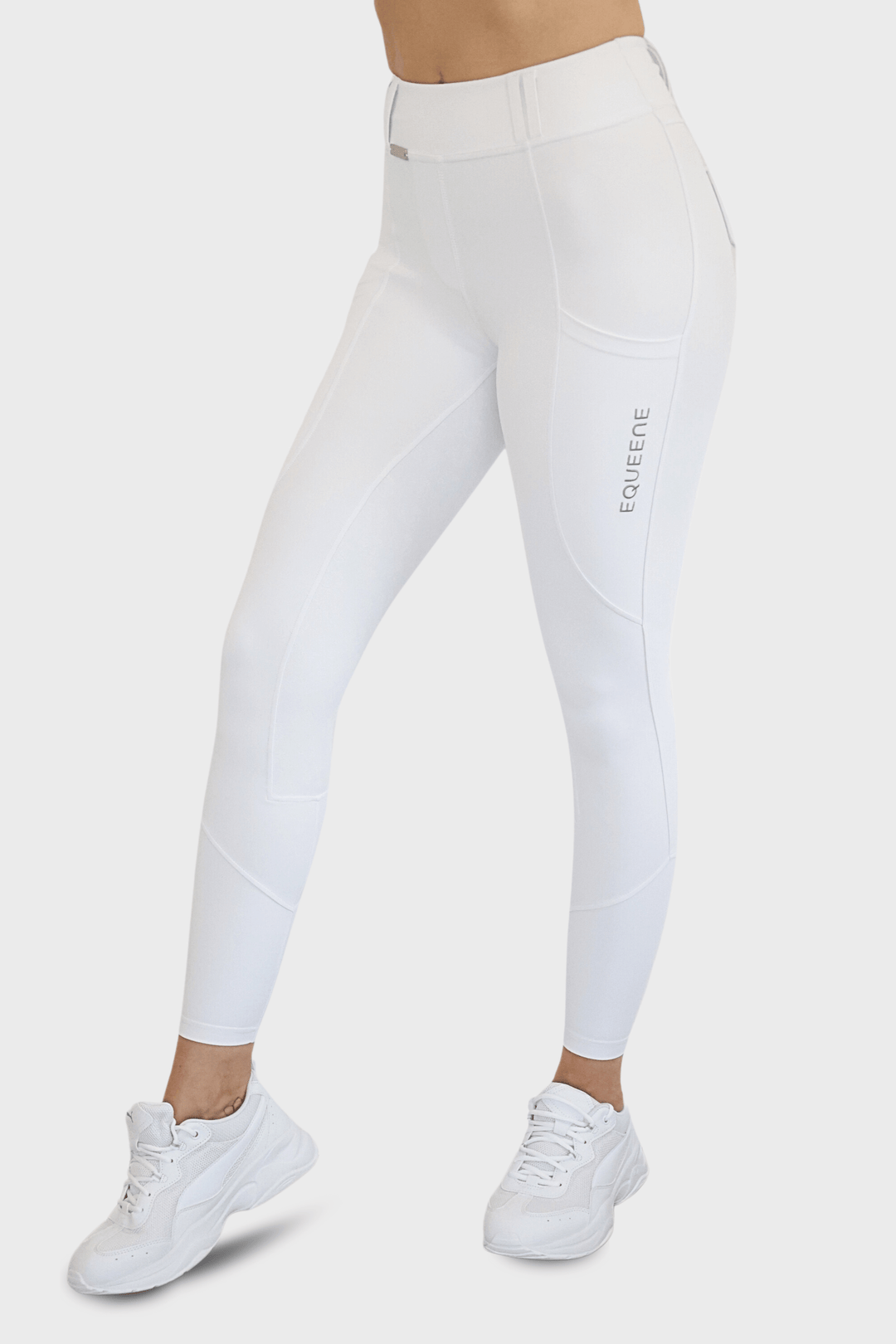
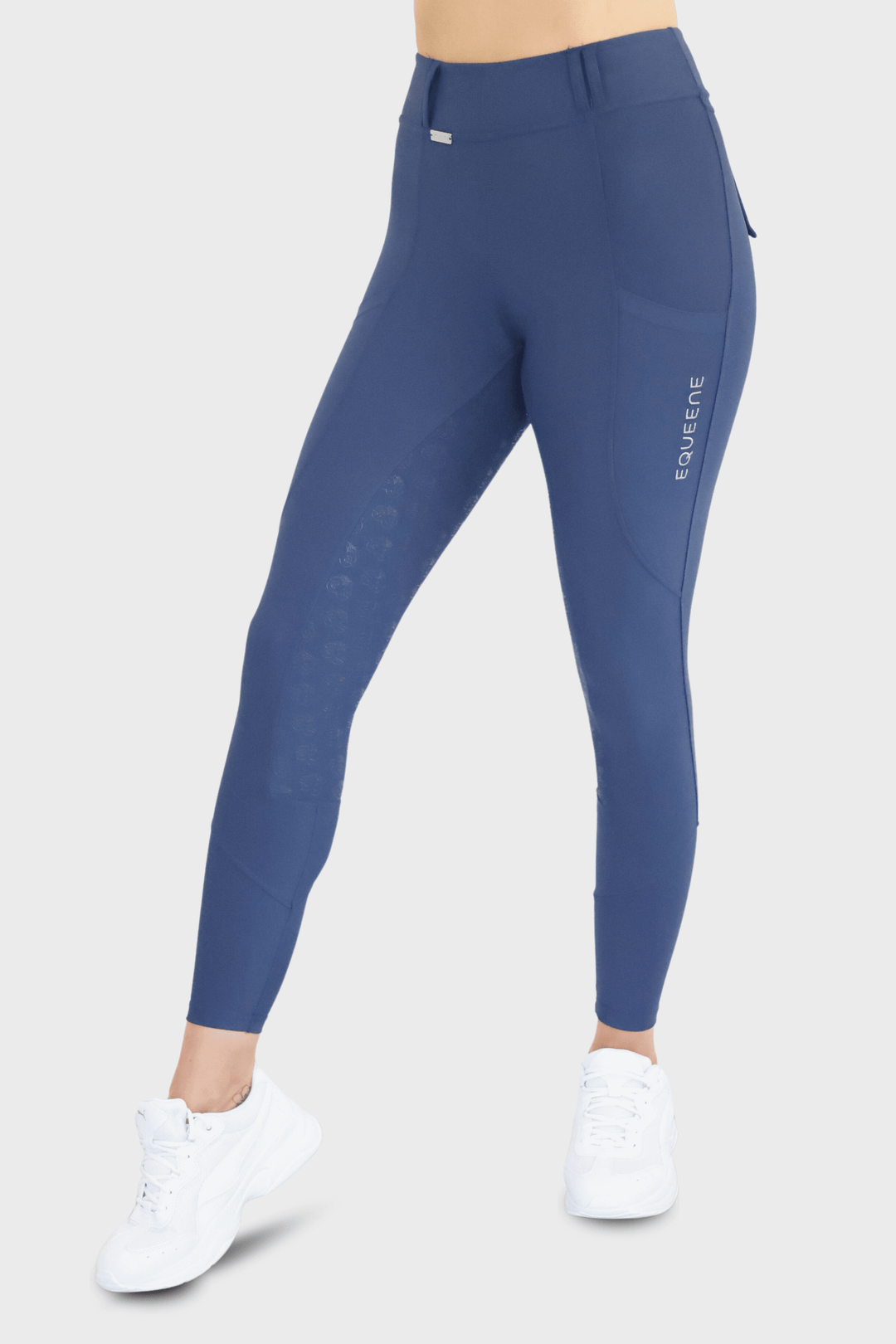
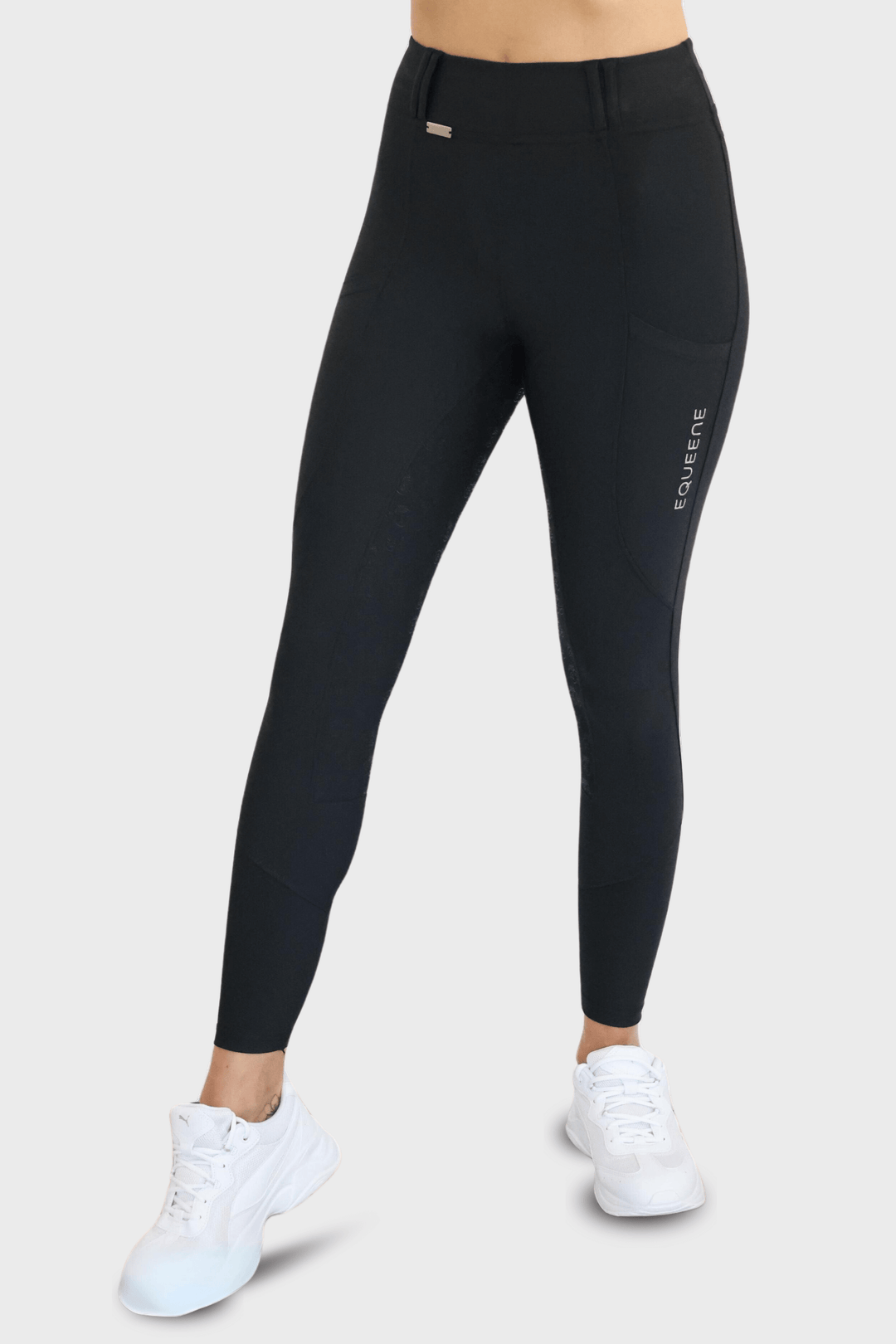
Wearing comfortable, familiar equestrian competition clothing rather than unpacking something new for the day can also help you feel grounded and secure.
What can you do in the warm-up to stay calm?
The warm-up is where nerves often peak. Instead of focusing on being the very best, ride simpler. Focus on rhythm, breathing and soft transitions. Give yourself permission to take extra walk breaks if needed.
Your horse will often mirror your tension, so slowing things down can benefit you both. Calm riding creates calm results.
How does what you wear affect confidence in the saddle?
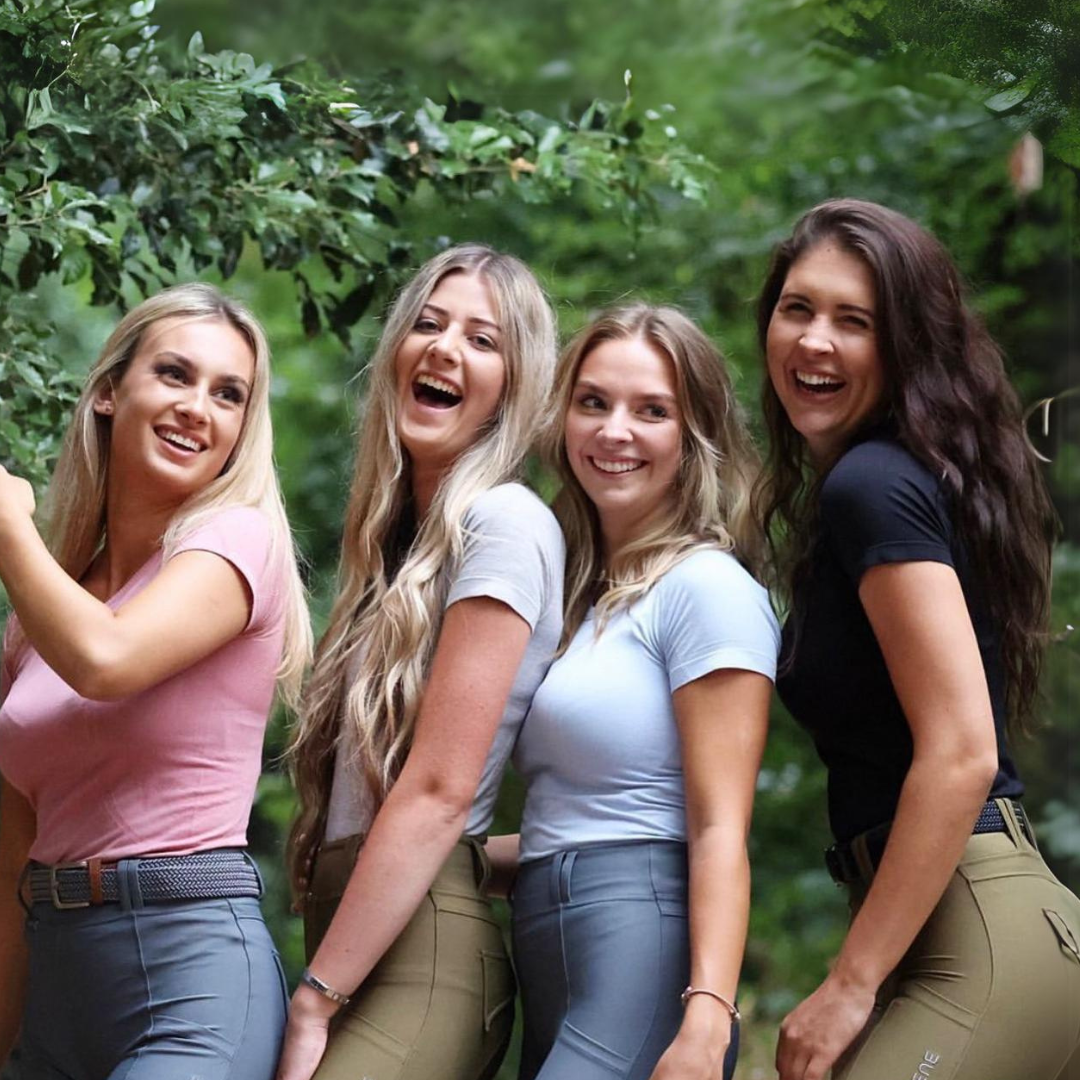
Clothing might seem superficial, but it plays a bigger role than many riders realise. Ill-fitting or restrictive garments can amplify discomfort and self-consciousness.
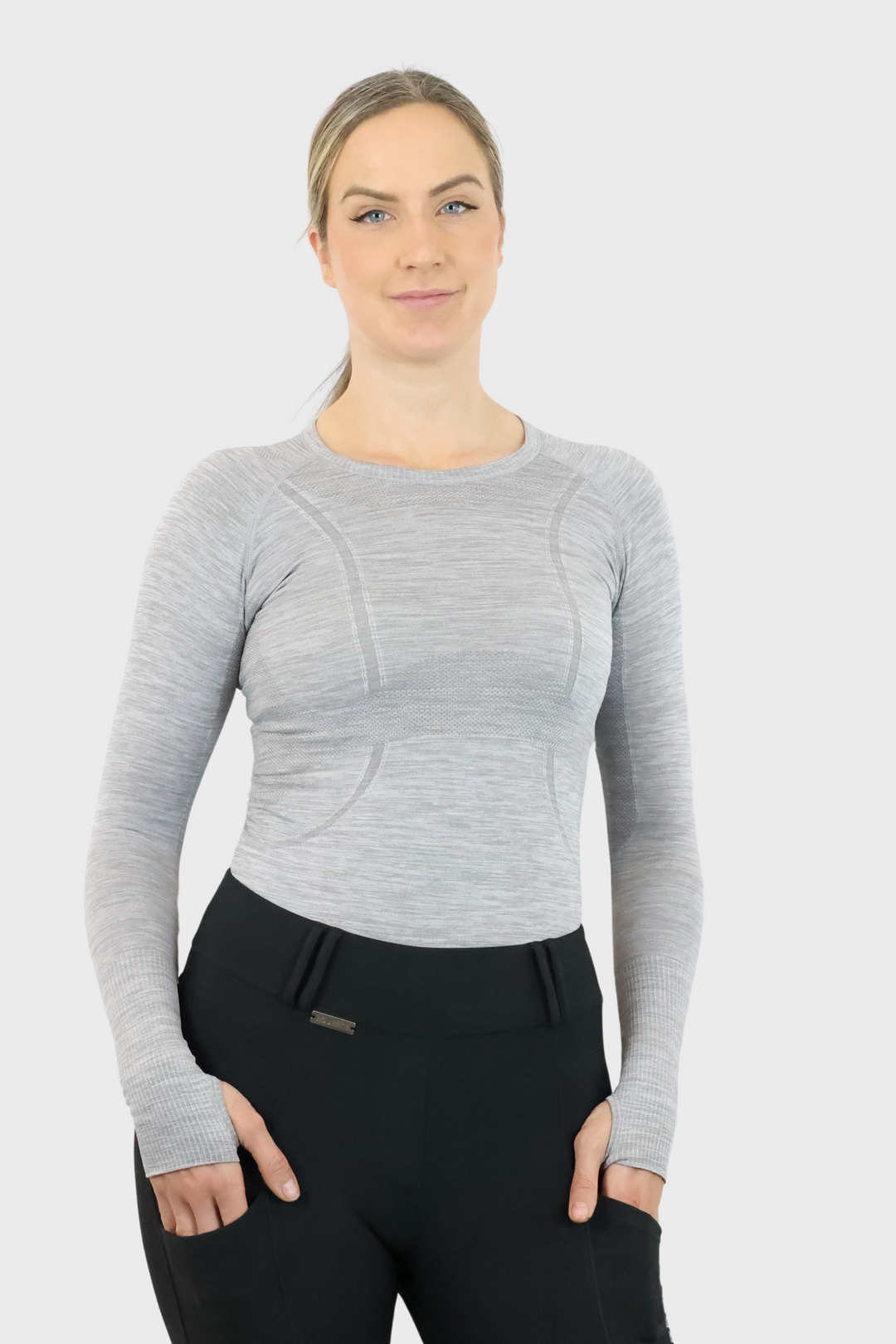
Well-designed equestrian competition clothes should support your movement, feel secure, and allow you to forget about what you’re wearing altogether. When you’re physically comfortable, it’s easier to stay mentally present.
How can breathing techniques help manage nerves?
When nerves hit, breathing becomes shallow and fast. This tells your body you’re under threat. Try slowing your breath deliberately: inhale for four counts, exhale for six. Do this while mounting, walking your horse, or waiting at the gate.
Longer exhales signal safety to the nervous system and can quickly bring your heart rate down.
What mindset shift helps most before entering the ring?
Instead of riding to impress, ride to communicate. Your job isn’t to be perfect; it’s to ride your horse fairly and clearly. Focusing on connection rather than outcome reduces pressure and improves performance. Remember, one competition doesn’t define you as a rider.
How can you reset after a nervous round?
If things don’t go to plan, resist the urge to replay every mistake. Take a moment to breathe, cool off your horse, and note one thing that went well. Confidence is built through consistency, not single results. Each outing is part of a bigger picture.