



Riding safely and comfortably throughout the winter can be a challenge. While riders will naturally prioritise the wellbeing of their horse with appropriate use of rugs and adjustments to their exercise routine, it’s also important that you feel at ease in the saddle.
Bulky clothing is not just distracting; it can affect the way you communicate with your horse, making you unbalanced and awkward. Fortunately, modern winter equestrian clothing is designed to cope with these frustrating problems.
Here’s how to avoid feeling like the Michelin Man even during sub-zero temperatures.
Start with the right base layer
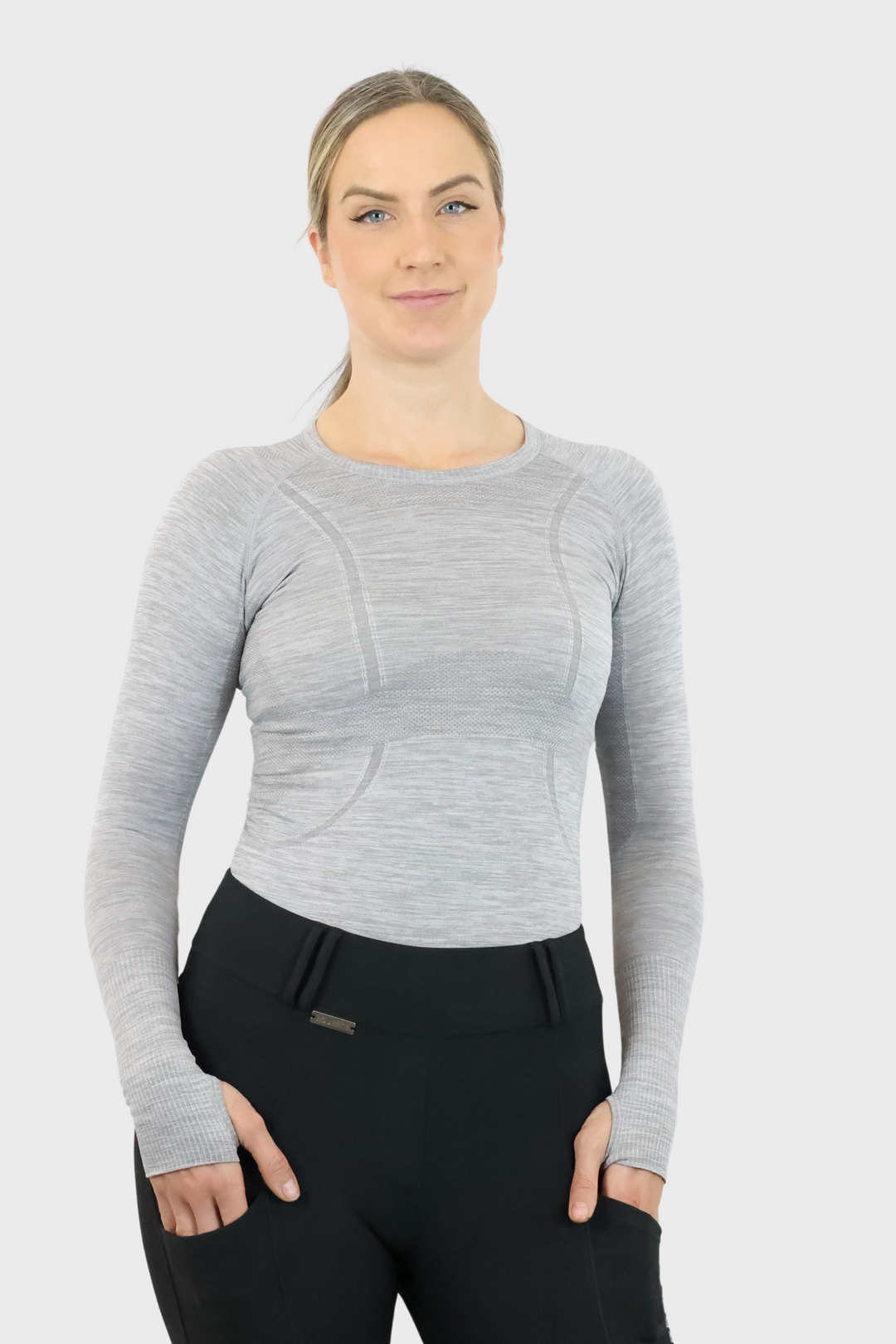
A good winter riding outfit begins with a thermal base layer. Look for lightweight, moisture-wicking fabrics rather than cotton, which traps sweat and quickly makes you feel cold.
A close-fitting base layer keeps warmth close to the body without adding bulk and allows you to move freely in the saddle.
Avoid doubling up thick tops. One technical base layer paired with the right mid-layer will always outperform multiple heavy garments. In very wet or windy conditions, add an insulated waterproof jacket.
Choose winter breeches, not extra layers
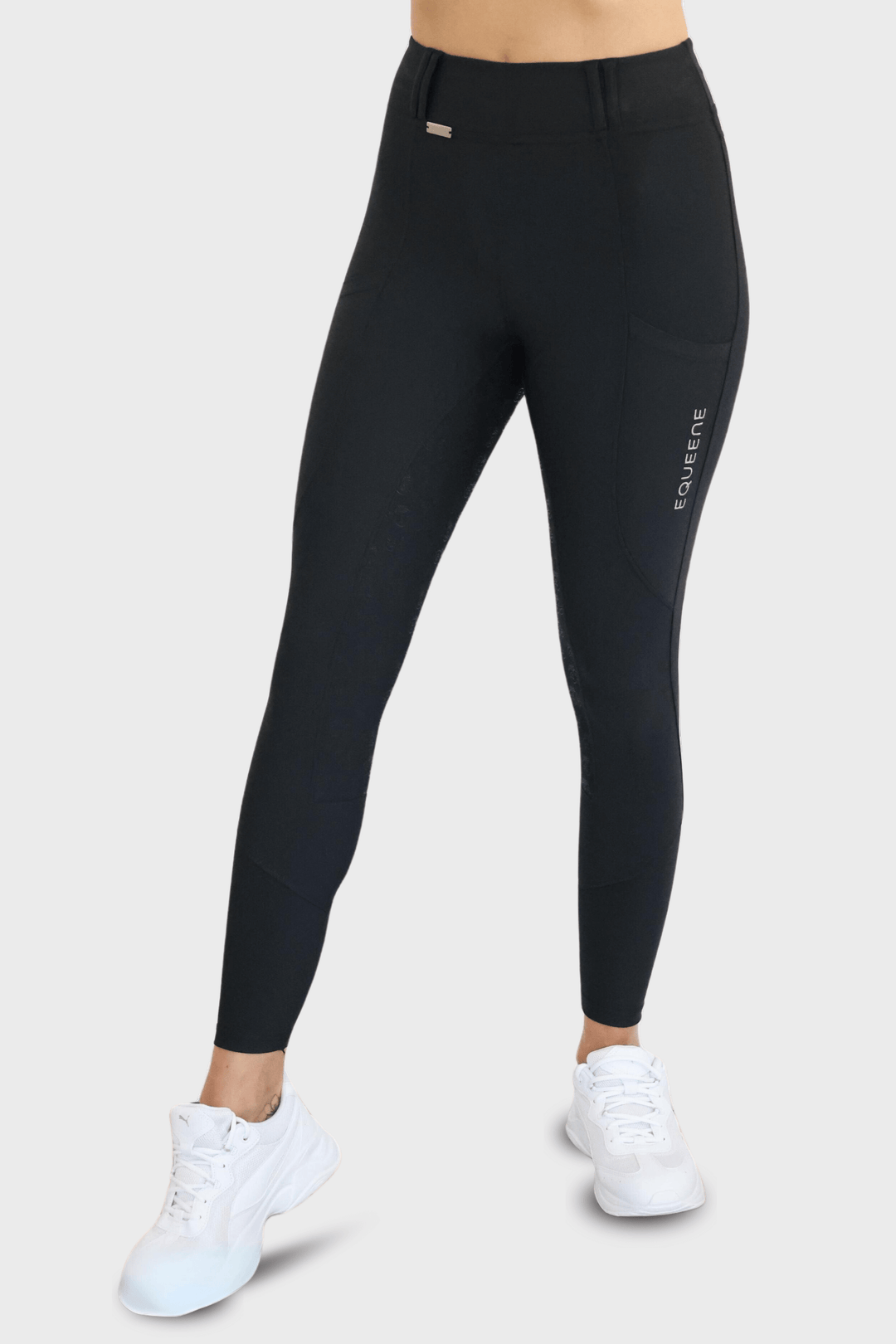
Cold legs are one of the main reasons riders feel the need to over-layer. Wearing leggings or tights under regular breeches often leads to uncomfortable bunching, reduced flexibility and extra pressure in the saddle.
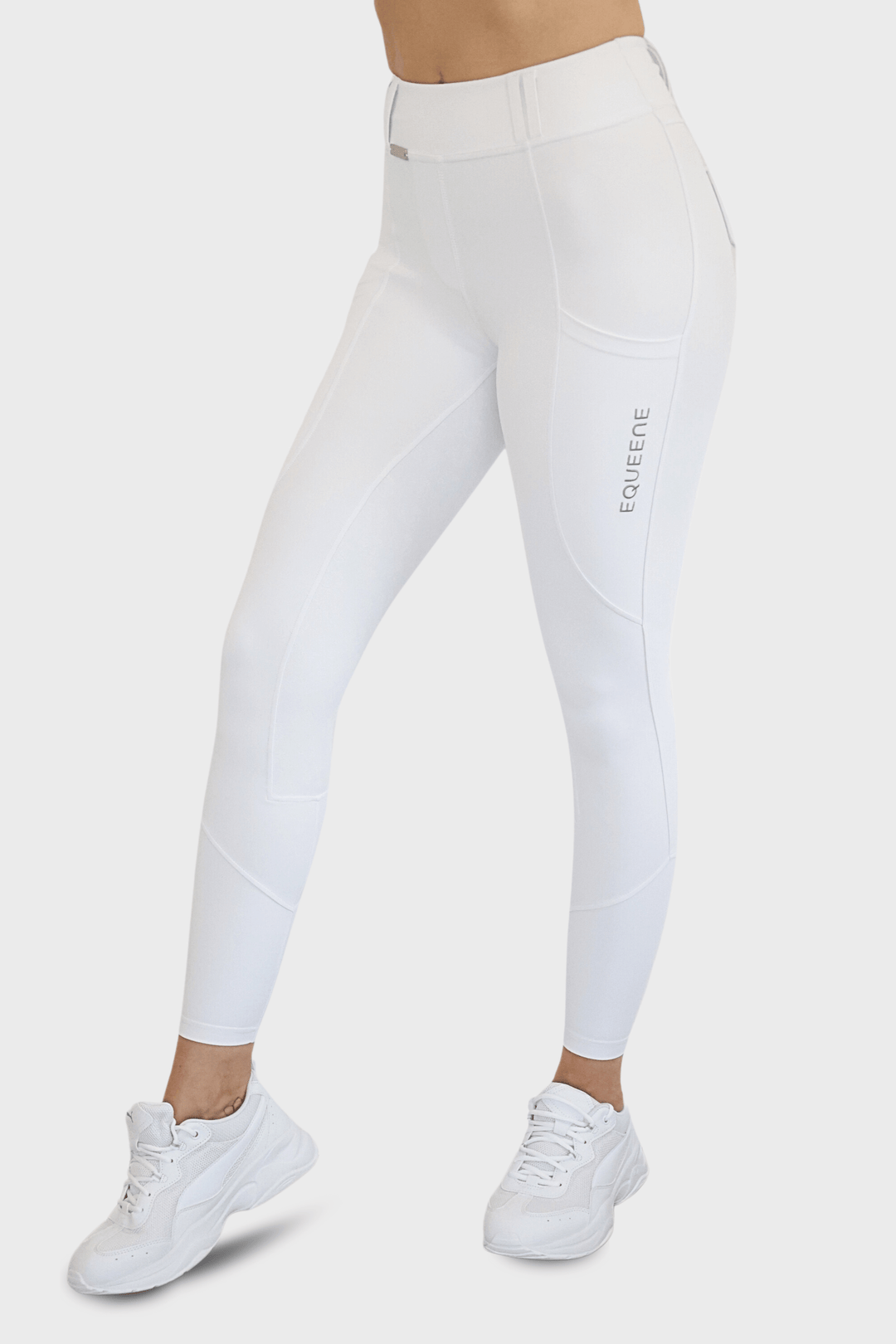
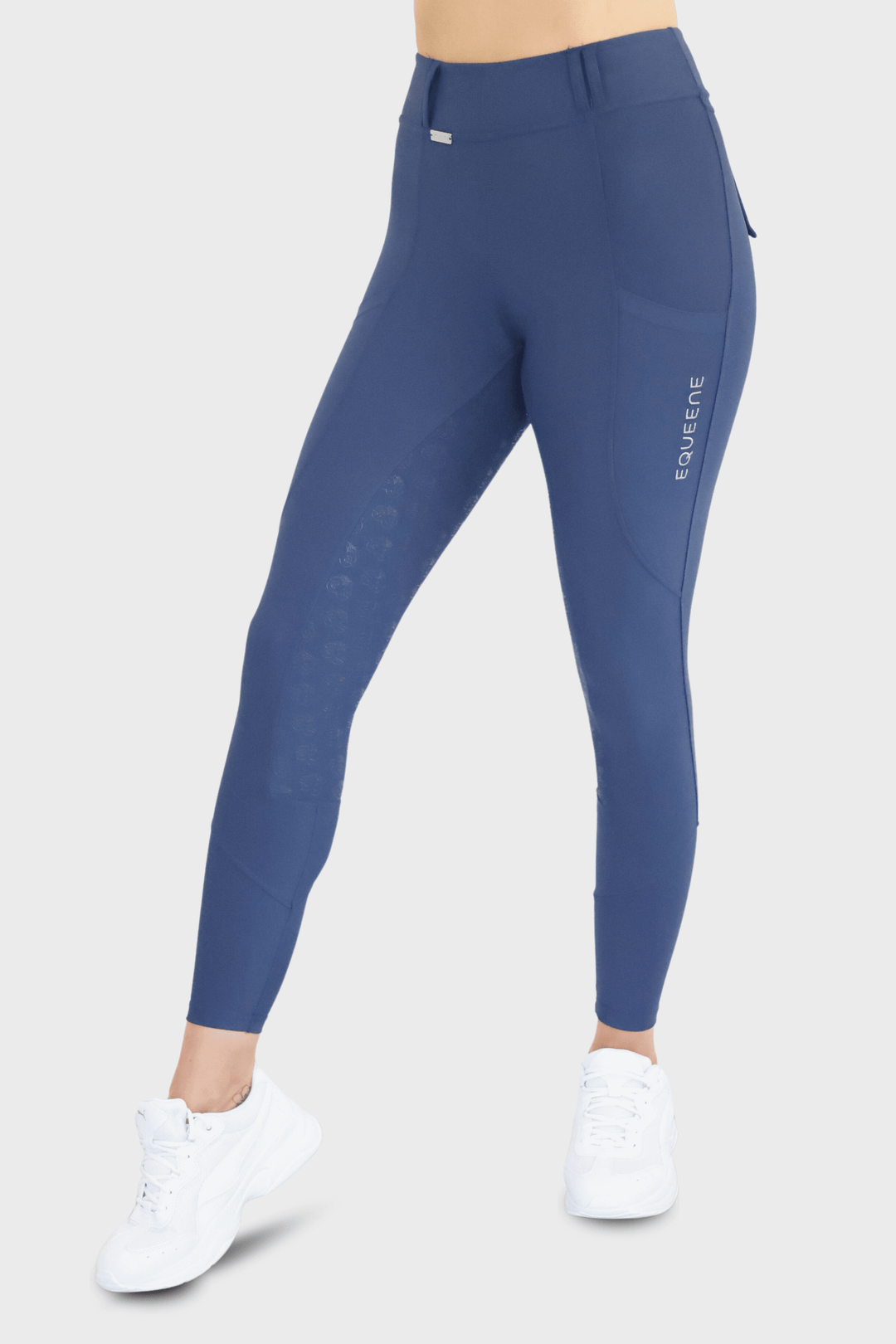
Winter equestrian breeches, especially fleece-lined styles, are designed to solve this problem. The brushed inner lining provides insulation while the outer fabric remains streamlined and flexible.
This keeps your legs warm without adding thickness or stiffness, allowing for better contact and comfort. High-quality winter horse riding breeches also help maintain muscle warmth, reducing stiffness and making it easier to ride effectively in cold temperatures.
Don’t forget your neck, fingers and toes
While keeping your core warm is essential, seasoned equestrians will know that fingers and toes are prone to feeling the cold. A pair of long thermal riding socks layered over your regular socks will help to keep your toes toasty.
Freezing hands are not just painfully uncomfortable, but will affect your grip and sensitivity on the reins, which is particularly dangerous if you are riding a young or strong horse.
Even usually quieter horses can become sharp if they are being ridden or turned out less than usual during the winter months, so if you are not usually in the habit of wearing gloves, it’s a really good idea to do so when it’s bitterly cold.
If a chilly neck is your bugbear, wear a snood or neck gaiter rather than a scarf, to avoid the risk of it unravelling and getting tangled or startling your horse, or those around you. Finally, a handy tip is to carry a lip balm in your pocket to protect your lips from chapping.
Above all, remember that staying warm horse riding in winter doesn’t require heavy coats or stiff layers. By choosing technical base layers, properly designed winter breeches and streamlined jackets, you can stay warm, comfortable and effective in the saddle